
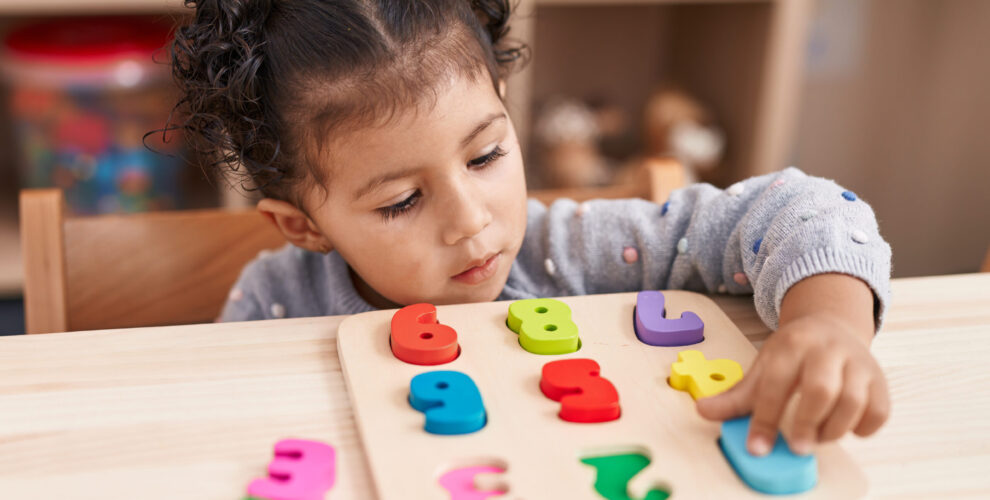
Early childhood is one of the most important stages of human development. The experiences children have during their early years significantly shape their learning abilities, emotional intelligence, social skills, and overall personality. Early childhood education focuses on nurturing young minds during these formative years to ensure children grow into confident, capable, and lifelong learners.
Parents today understand that education does not begin when children enter primary school. Instead, learning starts much earlier—often from infancy. High-quality early learning programs provide children with the opportunity to explore, discover, and develop essential skills through structured play and guided learning activities.
Institutions like Hillcrest Montessori Elementary School, which offers early childhood programs in Fort McMurray, emphasize the importance of nurturing curiosity, independence, and creativity during these crucial early years. By providing a supportive and engaging learning environment, early childhood education helps children build a strong foundation for future academic and personal success.
Understanding Early Childhood Education
Early childhood education refers to the formal and informal teaching of children from birth to around eight years old. This stage includes preschool, kindergarten, and early elementary programs designed to promote cognitive, social, emotional, and physical development.
Unlike traditional schooling methods that focus heavily on memorization and testing, early childhood education emphasizes learning through exploration, creativity, and play. Children learn by interacting with their environment, teachers, and peers.
Programs such as those offered by Hillcrest Montessori Elementary School in Fort McMurray focus on child-centered learning. This approach encourages children to become independent thinkers, problem solvers, and confident learners who enjoy discovering new ideas.
Early childhood education lays the groundwork for essential life skills that children will continue to build upon throughout their academic journey.
Why the Early Years Are So Important
The early years of a child’s life represent a period of rapid brain development. Research shows that more than 90% of brain development occurs before the age of five. During this time, children absorb information quickly and form important neural connections that influence how they think, learn, and interact with others.
High-quality early childhood education supports this development by providing stimulating experiences that encourage curiosity and learning.
Some of the most significant benefits of early childhood education include:
- Improved cognitive development
- Stronger language and communication skills
- Better emotional regulation
- Enhanced social skills
- Increased confidence and independence
When children are exposed to structured learning environments early on, they develop positive attitudes toward education that can last a lifetime.
Developing Social and Emotional Skills
One of the key benefits of early childhood education is the development of social and emotional skills. Young children learn how to interact with others, share, cooperate, and communicate their feelings.
In early learning environments, children participate in group activities, collaborative play, and guided discussions. These experiences teach them how to build friendships, resolve conflicts, and understand the emotions of others.
Schools like Hillcrest Montessori Elementary School in Fort McMurray focus on creating a supportive and respectful environment where children feel safe expressing themselves. This helps children build confidence and emotional resilience, which are essential skills for both school and life.
Children who develop strong social and emotional skills during their early years are better prepared to handle challenges and adapt to new environments.
Encouraging Curiosity and Love for Learning
Young children are naturally curious about the world around them. Early childhood education nurtures this curiosity by encouraging exploration and discovery.
Rather than simply giving children answers, effective early learning programs guide them to ask questions, investigate ideas, and solve problems independently. This approach fosters critical thinking and creativity.
Montessori-based learning environments are particularly effective in nurturing curiosity. Programs like those offered at Hillcrest Montessori Elementary School in Fort McMurray allow children to explore hands-on materials and activities designed to stimulate independent learning.
When children enjoy learning during their early years, they are more likely to maintain a positive attitude toward education as they grow older.
Building Language and Communication Skills
Language development is another essential aspect of early childhood education. During the early years, children rapidly expand their vocabulary and communication abilities.
Early learning programs encourage language development through storytelling, reading, conversation, and interactive activities. Teachers engage children in discussions that help them express their thoughts and ideas clearly.
Children who participate in early childhood education programs often enter elementary school with stronger reading, writing, and communication skills.
By fostering language development early, schools help children build confidence in expressing themselves both academically and socially.
Promoting Independence and Responsibility
One of the key goals of early childhood education is to encourage independence. Young children benefit from learning how to complete tasks on their own, make decisions, and take responsibility for their actions.
Montessori-based learning environments are especially known for promoting independence. Children are encouraged to choose activities that interest them, manage their time, and work at their own pace.
At Hillcrest Montessori Elementary School in Fort McMurray, students are guided to develop self-discipline and responsibility in a supportive environment. This helps children become confident learners who take ownership of their education.
Learning independence early in life builds strong problem-solving skills and prepares children for future academic challenges.
Developing Cognitive and Problem-Solving Skills
Early childhood education helps children develop cognitive skills that are essential for learning and problem-solving. Through interactive activities, puzzles, games, and hands-on exploration, children learn to think critically and analyze information.
Early learning environments introduce basic concepts such as numbers, shapes, patterns, and scientific thinking in ways that are engaging and age-appropriate.
By encouraging children to experiment, observe, and ask questions, early childhood education strengthens their ability to think logically and creatively.
These skills are essential for success not only in school but also in everyday life.
Preparing Children for Academic Success
Children who participate in high-quality early childhood education programs are often better prepared for formal schooling. They enter elementary school with stronger academic skills, improved concentration, and greater confidence.
Early learning experiences help children become familiar with structured environments, routines, and classroom expectations.
Programs offered by Hillcrest Montessori Elementary School in Fort McMurray focus on preparing children for long-term academic success by building strong foundational skills in reading, mathematics, and problem-solving.
Students who begin their education in nurturing early learning environments are more likely to succeed academically and develop a lifelong love of learning.
The Role of Montessori Education in Early Childhood Development
Montessori education is widely recognized for its child-centered approach to learning. This educational philosophy emphasizes independence, hands-on learning, and respect for a child’s natural development.
Montessori classrooms are designed to encourage exploration and self-directed learning. Children work with specially designed materials that help them understand concepts through experience rather than memorization.
At Hillcrest Montessori Elementary School in Fort McMurray, Montessori principles guide the early childhood programs. Teachers act as facilitators who observe and support each child’s individual learning journey.
This approach allows children to develop confidence, creativity, and a strong sense of responsibility for their learning.
Supporting Physical Development and Motor Skills
Early childhood education also supports physical development by encouraging activities that strengthen both fine and gross motor skills.
Children participate in activities such as drawing, cutting, building, and outdoor play, which help develop coordination, balance, and strength.
Physical activity is essential for healthy growth and also supports cognitive development. Movement-based learning activities help children stay engaged and focused.
A well-rounded early childhood education program ensures that children develop physically as well as academically and socially.
The Importance of a Safe and Nurturing Learning Environment
A positive learning environment is essential for young children. When children feel safe, supported, and valued, they are more likely to explore new ideas and take risks in learning.
Teachers play a crucial role in creating this environment. They guide children with patience, encouragement, and understanding.
Schools like Hillcrest Montessori Elementary School in Fort McMurray focus on building strong relationships between teachers, students, and families. This collaborative approach helps create a community where children feel comfortable and supported in their learning journey.
A nurturing environment allows children to develop confidence and emotional security, which are essential for healthy development.
Partnering with Parents in Early Childhood Education
Parents play an essential role in their child’s early learning journey. Strong partnerships between parents and educators help ensure children receive consistent support both at home and in school.
Early childhood programs often encourage parental involvement through communication, workshops, and family activities.
When parents actively participate in their child’s education, children feel more motivated and supported in their learning.
By working together, families and schools can create a strong foundation for lifelong learning.
Why Choosing the Right Early Childhood Program Matters
Selecting the right early childhood education program is one of the most important decisions parents can make. The quality of early learning experiences can have a lasting impact on a child’s academic success, social skills, and overall development.
Parents should look for programs that provide:
- Experienced and caring educators
- A safe and engaging learning environment
- Opportunities for exploration and creativity
- Individualized learning approaches
- Strong communication with families
Programs such as those offered by Hillcrest Montessori Elementary School in Fort McMurray are designed to support the unique learning needs of each child while encouraging independence and curiosity.
Choosing a high-quality early learning environment helps ensure children receive the best possible start in life.
Early childhood education plays a critical role in shaping a child’s future. The early years are a time of rapid growth and development, making it essential to provide children with enriching learning experiences that support their cognitive, social, emotional, and physical development.
Through nurturing environments, engaging activities, and supportive educators, early learning programs help children develop the skills they need to succeed in school and beyond.
Schools like Hillcrest Montessori Elementary School in Fort McMurray are committed to helping young learners build strong foundations for lifelong learning. By encouraging curiosity, independence, and confidence, early childhood education empowers children to reach their full potential.
Investing in early childhood education is not just about preparing children for school—it is about preparing them for life.
FAQs
Why is early childhood education important?
Early childhood education supports brain development, social skills, emotional growth, and cognitive abilities during the most critical stage of a child’s development.
What age is considered early childhood education?
Early childhood education generally includes children from birth to around eight years old, including preschool and kindergarten programs.
How does Montessori education benefit young children?
Montessori education encourages independence, hands-on learning, and creativity, helping children develop confidence and problem-solving skills.
How does early education affect future academic success?
Children who participate in quality early learning programs often perform better academically, develop stronger social skills, and maintain a positive attitude toward learning.
Why choose Hillcrest Montessori Elementary School in Fort McMurray?
Hillcrest Montessori Elementary School offers a supportive and engaging learning environment that nurtures curiosity, independence, and lifelong learning through Montessori-based education.